



*1961, lives and works in Berlin and Pistoia, Italy
*1961, lives and works in Berlin and Pistoia, Italy
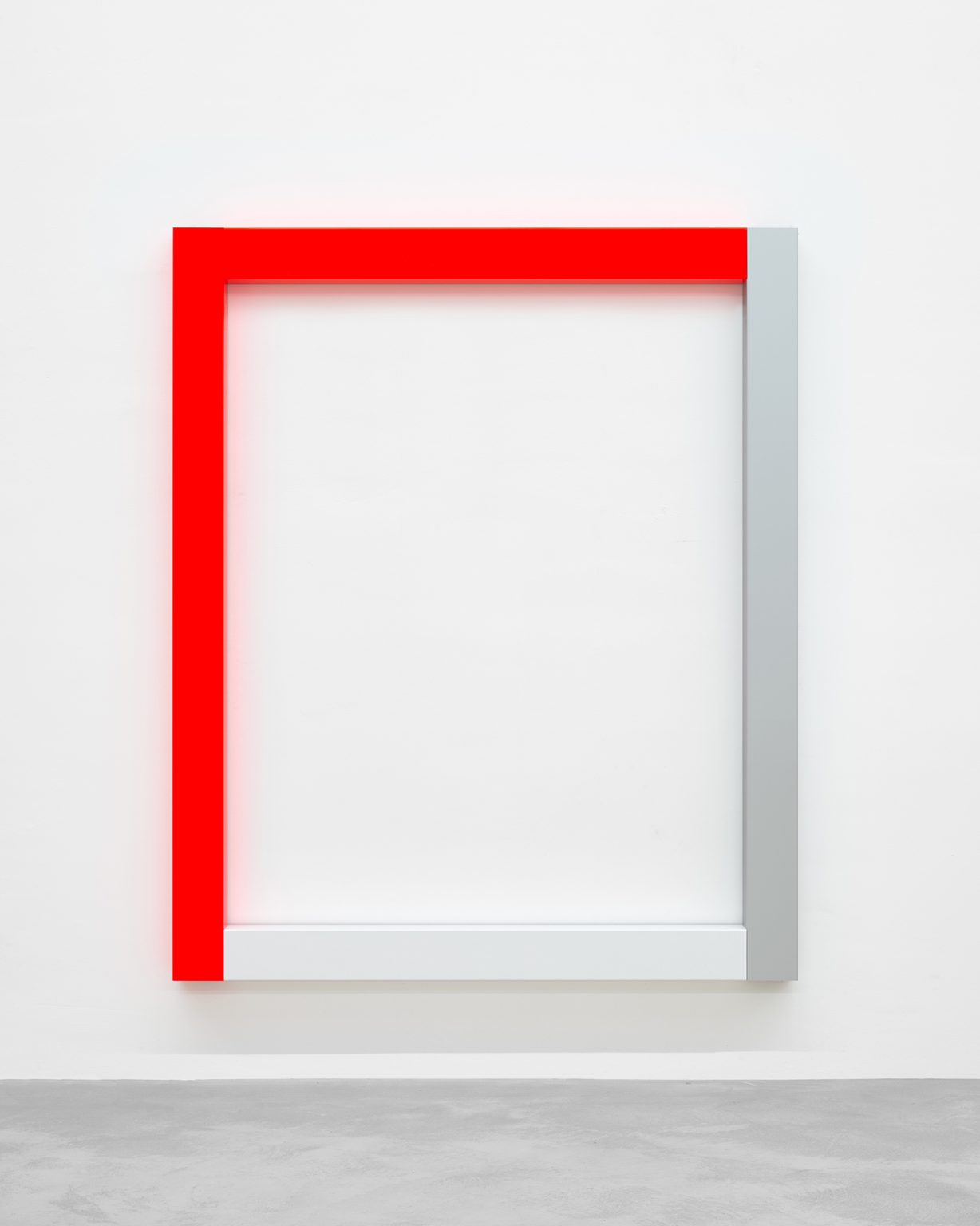
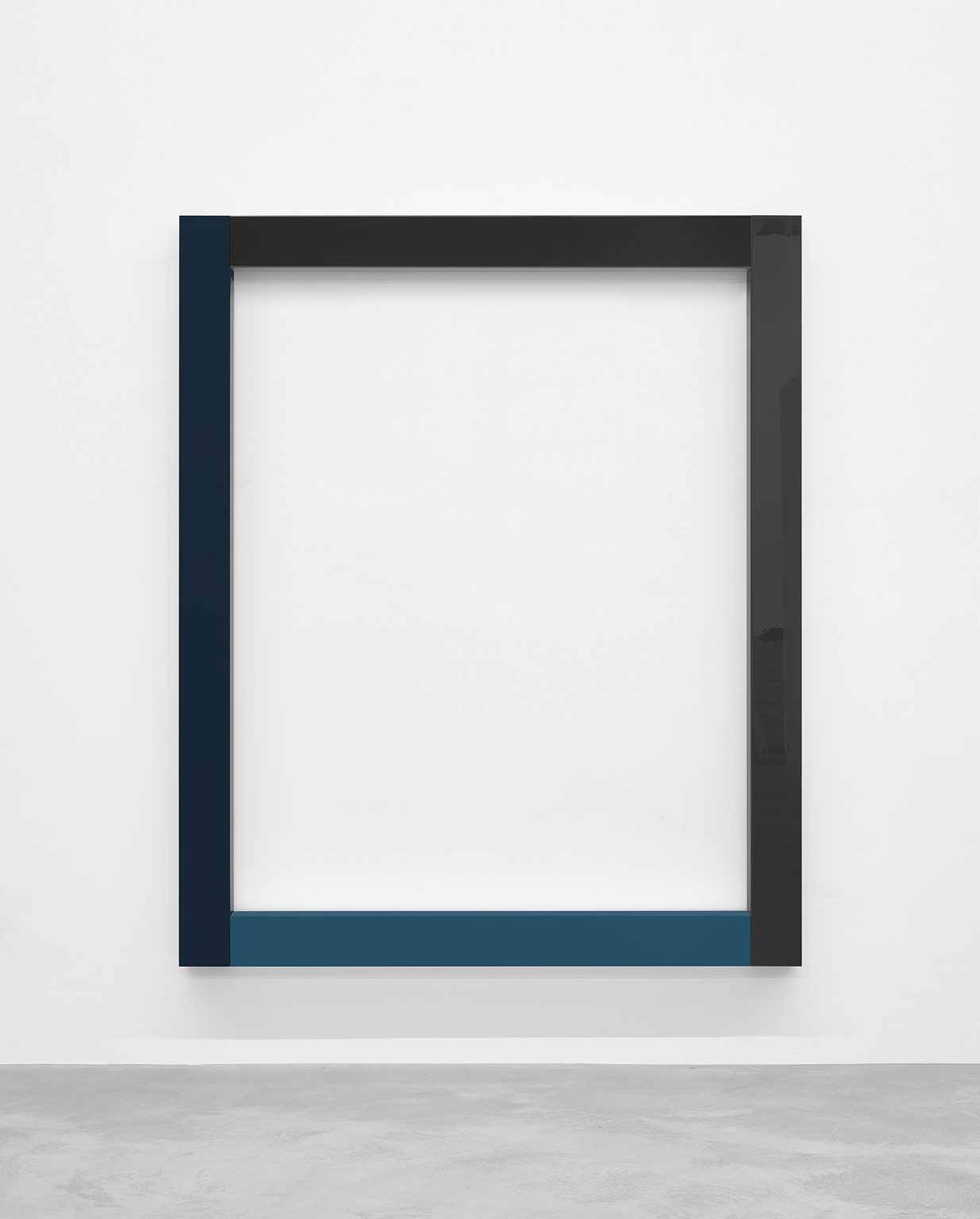
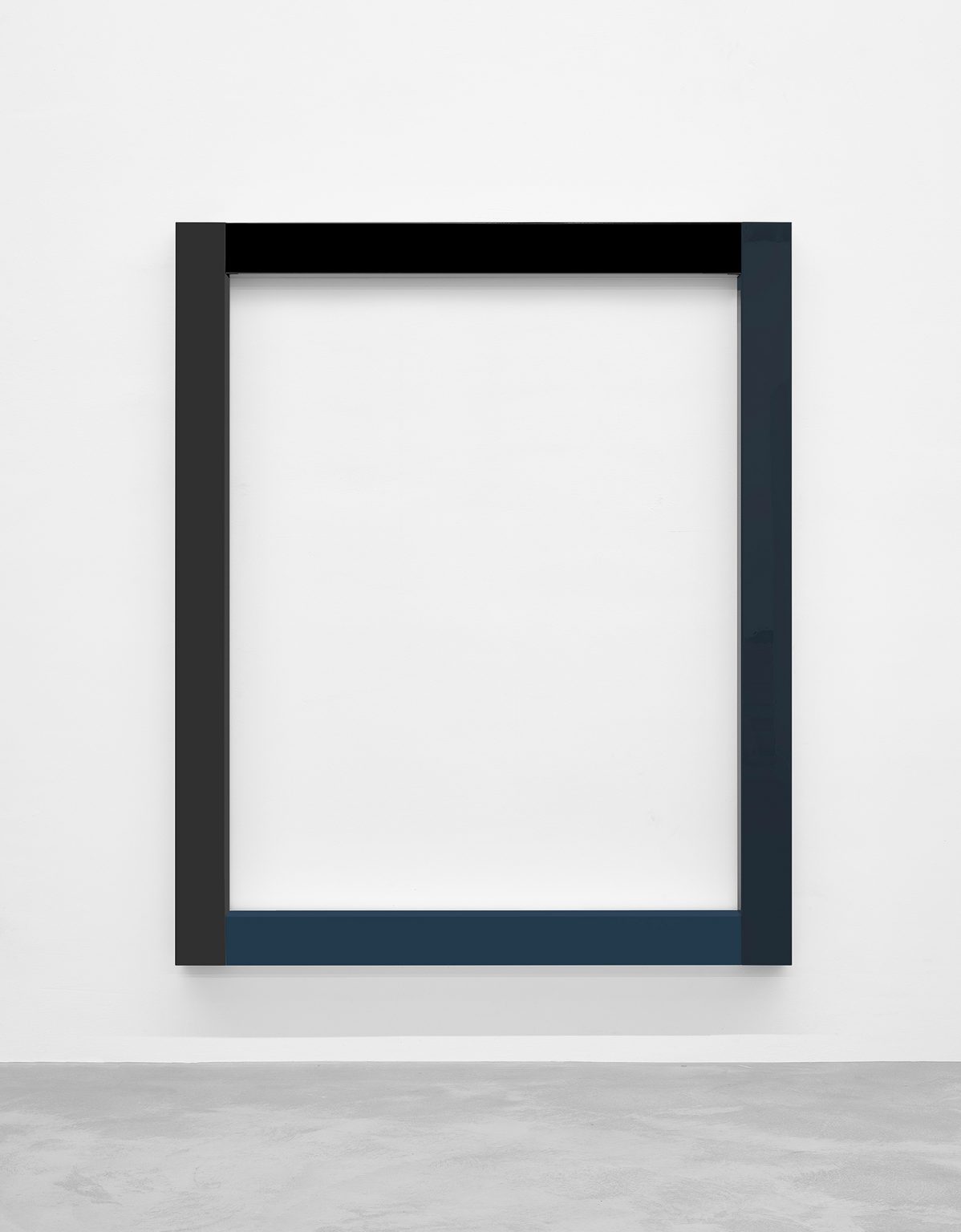
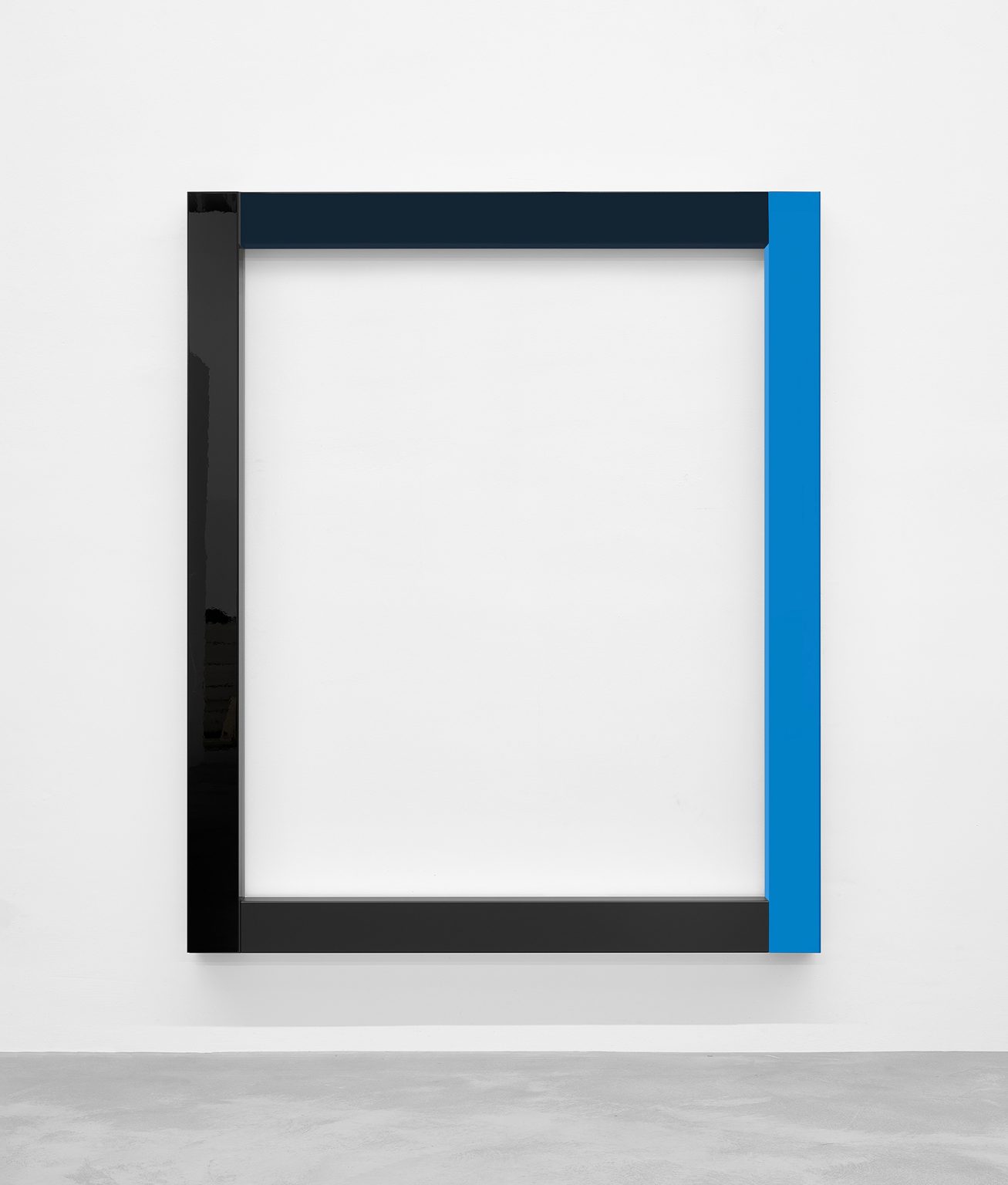
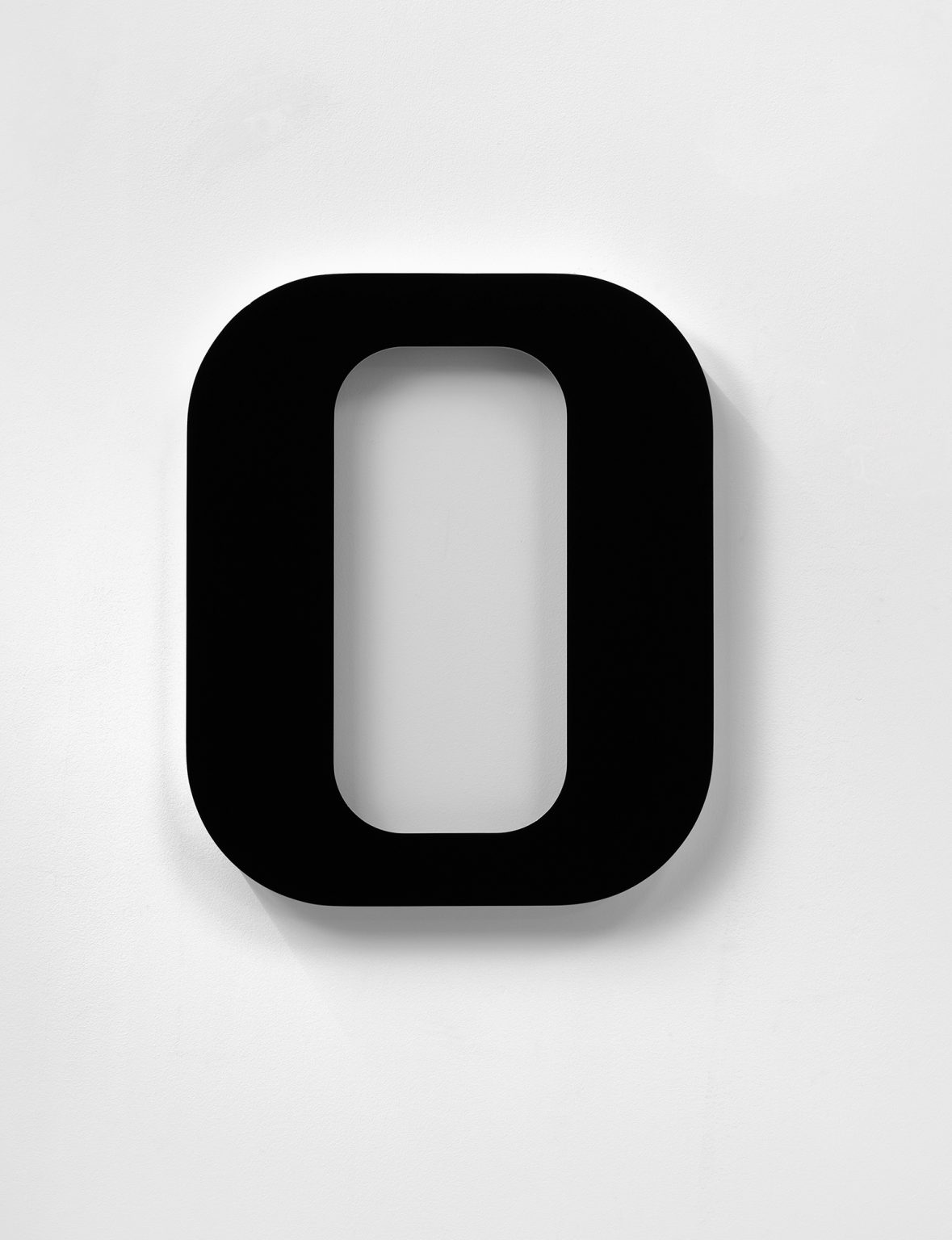
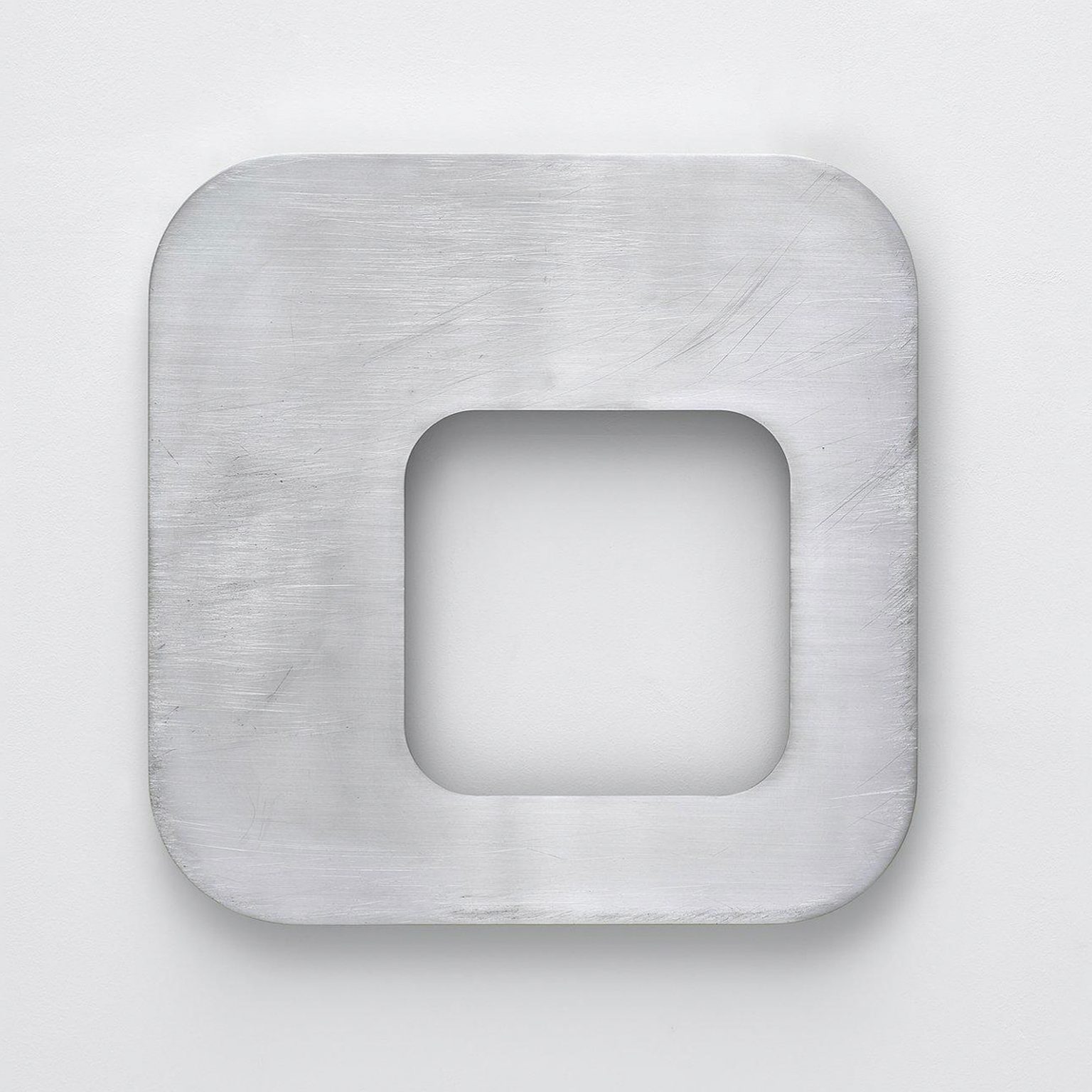
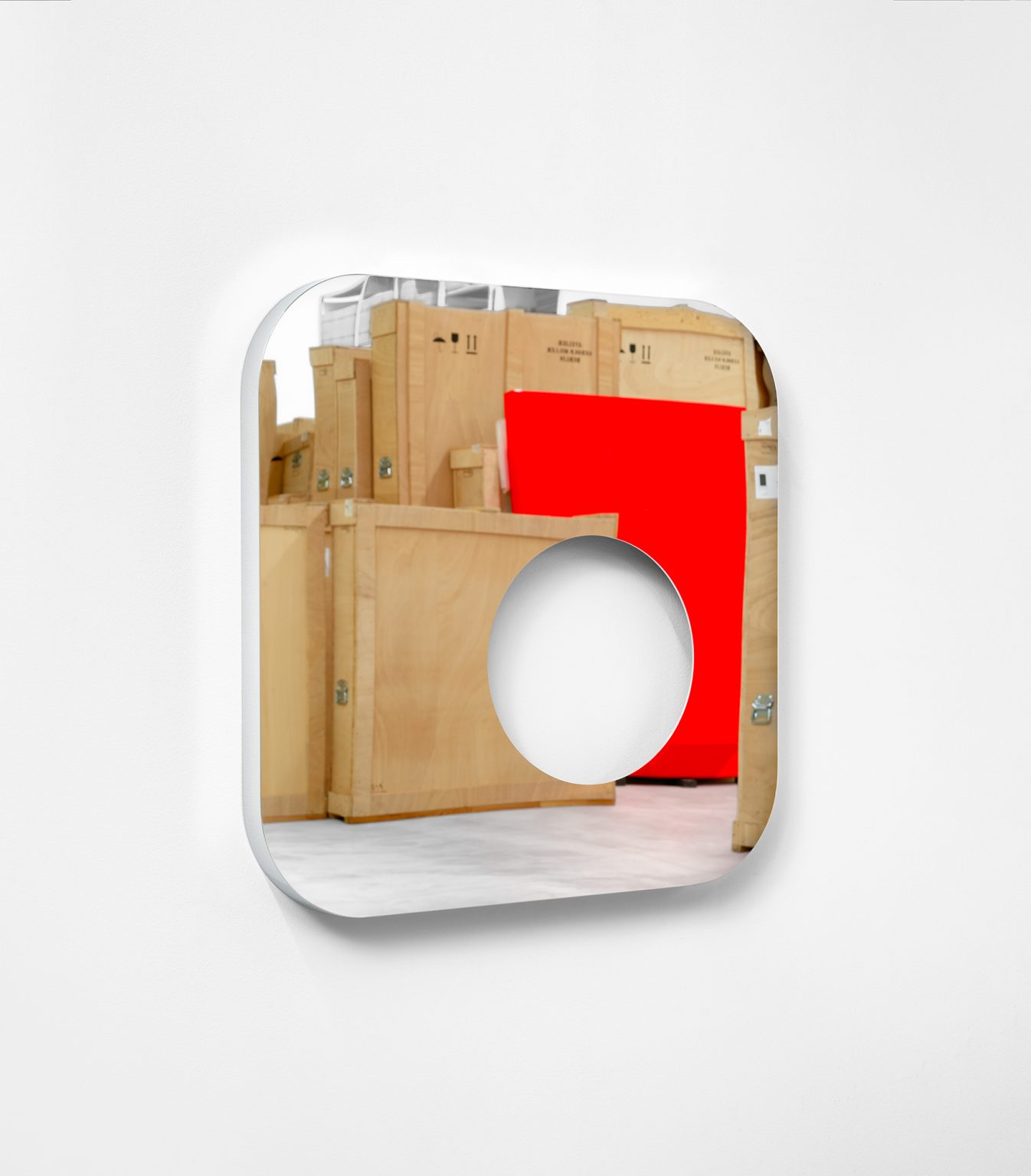
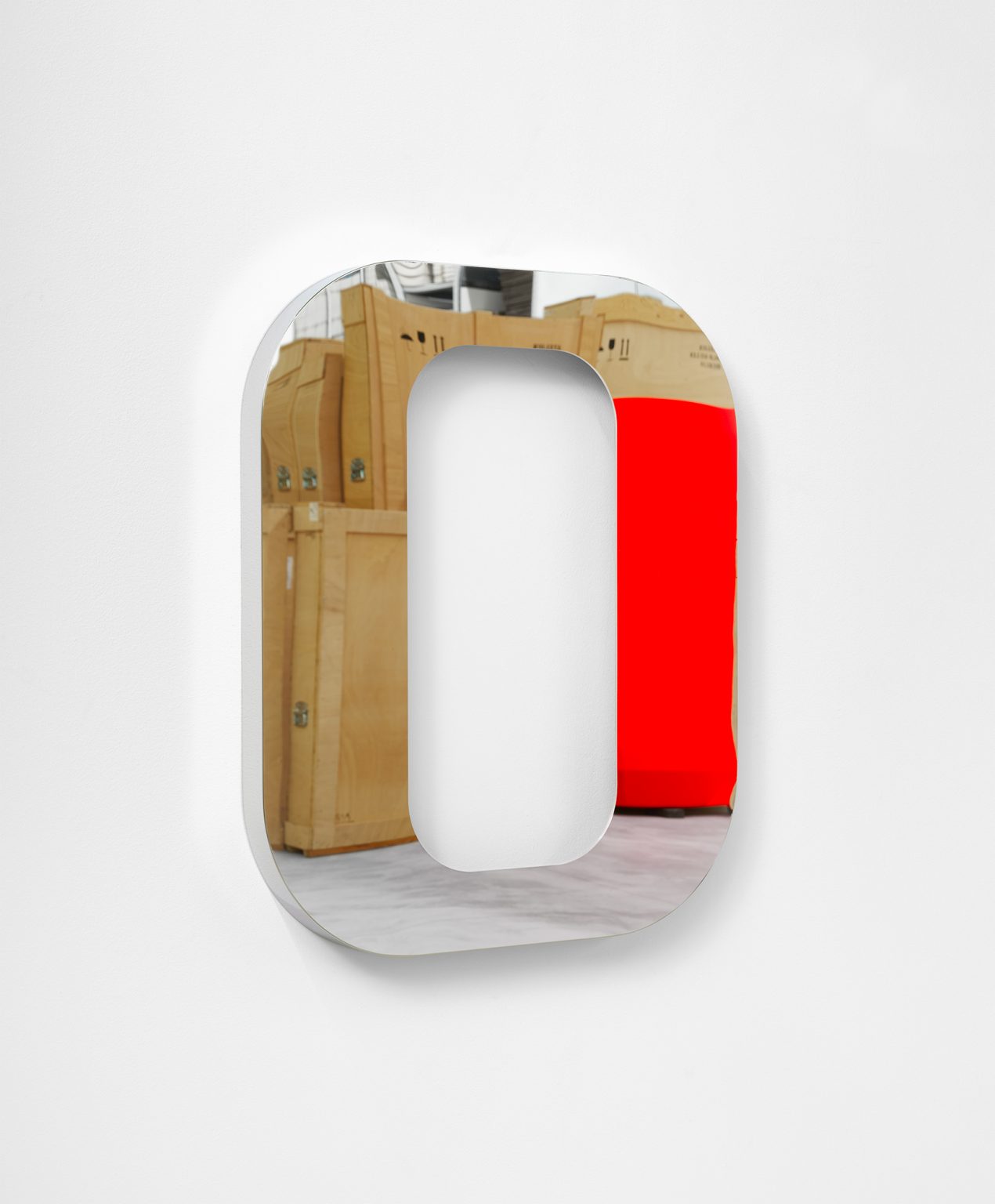
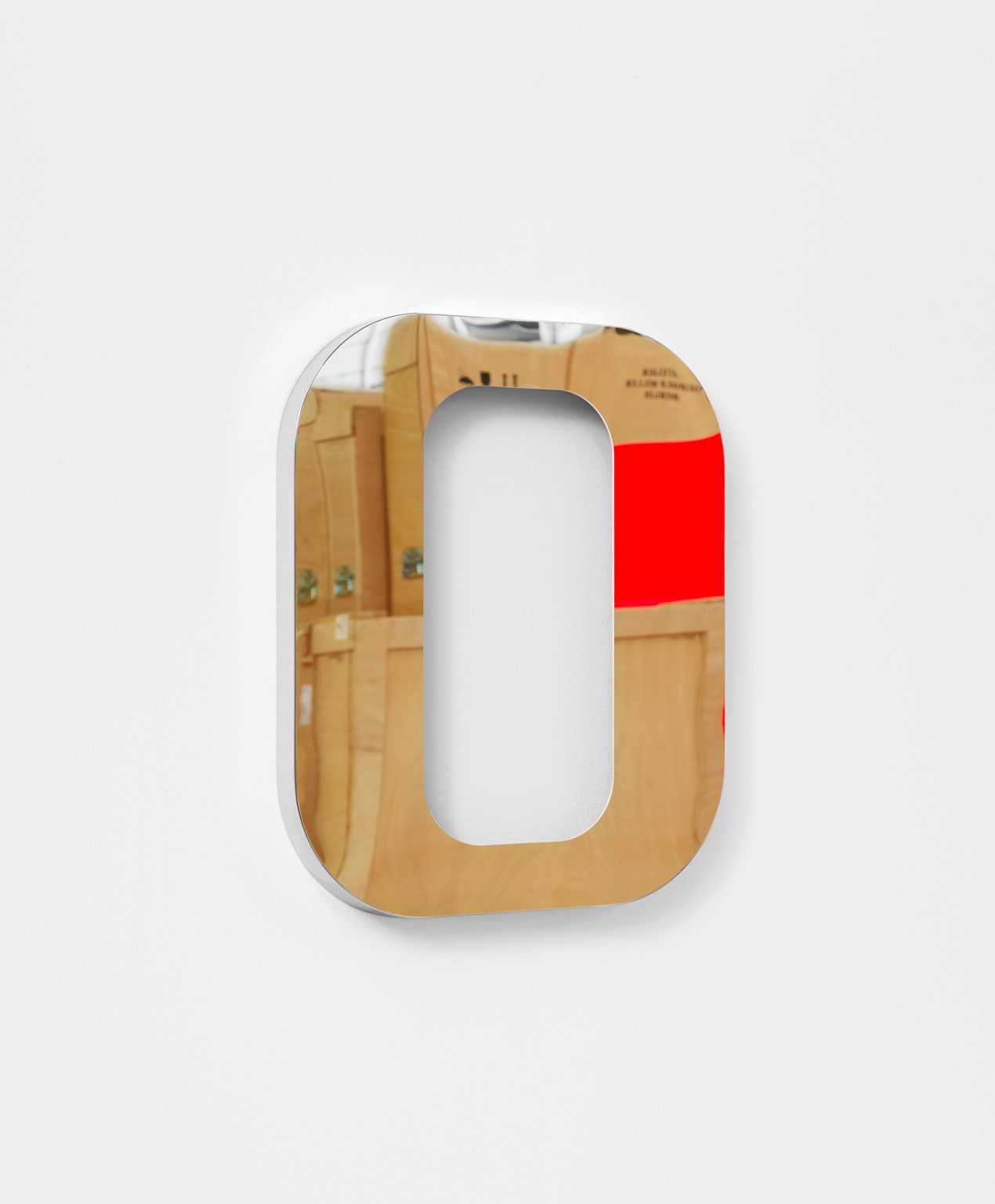
Gerold Miller’s painting-objects arise from an irreducible use of form and color. Since the beginning of his artistic work, the artist has pursued a radically elegant strategy, with which he says goodbye to the image without actually leaving it. His work stretches the traditional format „picture“ to the extreme.
Miller’s objects formulate a new concept of pictoriality that transcends conventional definitions and already understands the layout of the picture as space. They therefore fulfill the criteria of pictoriality in a conceptual sense that already understands the idea as a work. Apart from the ‚basic conditions‘, the viewer receives nothing tangible from the artist that can serve him or her to find the picture. Through the process of perception Gerold Miller tries to involve the recipient in his or her investigations. He no longer offers the viewer the ‚painting‘ or ’sculpture‘ in the traditional sense, but rather the premises of artistic work: sculptural space to be formed and projection surfaces for images, whereby his works undergo a conceptual-processual expansion, in which the actual process of finding the image must be performed by the recipient himself. This ‚aspect of action‘ contradicts the conventional theories of the image, which define it as a static object.
His works are collected by acclaimed museums, institutions, and private collections, such as Berlinische Galerie; Borusan Contemporary, Istanbul; Daimler AG, Stuttgart/Berlin; Esbjerg Kunstmuseum; Hamburger Kunsthalle; Kunsthalle Mannheim; Kunsthalle Weishaupt, Ulm; Kunstmuseum Singen; Kunstmuseum Stuttgart; Kunstsammlung des Deutschen Bundestages, Berlin; Lenbachhaus, Munich; Louisiana Museum of Modern Art, Humblebaek; MAKK, Cologne; Museum für konkrete Kunst, Ingolstadt; Museum im Kulöturspeicher, Würzburg; New Orleans Museum of Art; Rozenblum Foundation, Buenos Aires; Sammlung LBBW, Stuttgart; Sammlung Stadler, Munich; Société Générale, Paris; Staatsgalerie Stuttgart; Wilhelm-Hack-Museum, Ludwigshafen et al.